When Do Christian Books Cause Too Much Damage?

book-christian

The last thing in the world that I want to do is write about that dating book—the one where the author now admits he had no actual experience in putting the book’s ideas into practice. He’s pretty sure that it’s wrong (calling it “speculative”), has been hearing people out, and even has started to formally collect feedback.

With no personal malice toward that author, I would very much like the rest of my life to pass without hearing about him or his dating book again. His book caused so much shame, judgment, and confusion in my own relationships that I’d like to assign it to the dust bin of history and move on. I’m just one of many Christians who grew up with this book and have spent significant time trying to work through the fall out. Even if you weren’t negatively impacted by the book, take a look at a small sample of the damage it has done:

What I Learned from Joshua Harris

Christian Boy Meets Christian Girl

I Kissed Shame Goodbye

Recovering from I Kissed Dating Goodbye

Storify of I Kissed Shame Goodbye Tweets

There are clearly better things to do than discuss books written by self-admittedly unqualified authors that have wounded us, the people we love and care for, or our evangelical brothers and sisters.

Here is my problem: That dating book is still for sale, and the simple fact that this book is for sale hints to me that everything we have feared about the Christian publishing industry may be true. Putting the most positive spin on this I can manage, the publisher of this book is at the very least unwittingly acting in a way that proves our worst fears

If I put my worst fears into stark language, they would be something like this: If you’re not a gay, drunk, adulterer, or heretic, you can write just about whatever you damn well please as a Christian author, provided that it makes money.

A lack of craft can be compensated with a ghost writer and a lack of substance can be excused provided the book makes money. If the book makes money but hurts people, the people who complain are just whiners, divisive Christians, or just collateral damage because the book didn’t harm everyone who read it.

Publishers have some limits, just not consistent limits.

Perry Noble? His latest book release was suspended because he was “too drunk.” Sorry, Perry. We can’t have alcohol abuse sullying the reputation of CHRISTIAN authors and publishers.

However, a pastor in Seattle could spiritually abuse people in his congregation, and he wrote a book on marriage—REAL marriage to boot.

And a very young conference speaker can totally handle writing a book about dating before he actually put any of it into practice. Never mind that the book has caused heartbreak and shame for many of our fellow Christians. It didn’t devastate everyone, so why not keep making money from it?

Where do we draw the line for a destructive book in Christian publishing?

We have piles and piles of stories from people who have experienced shame, intimacy problems, and unhealthy relationships because of this uninformed dating book. Sure, it may have helped some readers become a little more restrained, or at least confirmed their decision because a good looking author agreed with them. But shouldn’t the piles of stories AND the author’s admissions about the book’s speculative content prompt the publisher to pull this book from sale?

People can still buy this uninformed dating book after the author has gone on a national tour saying that he was wrong and has repeatedly apologized for it on Twitter. How is this possible?

I’ve been biding my time, waiting through one interview after another as the author goes on his anti-publicity tour where he admits he managed to publish a Christian book on dating that was deeply flawed and hoping that the publisher will pull the book. And so he says he’s sorry, people applaud his bravery, and then the next day people are still buying his bullshit dating book so that he can apologize to them in 10-15 years for their crippling shame and intimacy issues.

For all of the evangelical talk about preserving marriages, shouldn’t we be concerned that the “go to” dating book of a whole generation has been exposed by its own author as speculative? Doesn’t relying on a speculative dating book for advice sound like a “not strong” and “not healthy” way to start a marriage? Would we use a speculative book for advice on raising children? Shouldn’t we take all of the stories of hurt and heartbreak seriously and demand that the publisher pull I Kissed Dating Goodbye from all stores?

Well, the skeptics say, there were PLENTY of people who didn’t suffer shame and heartbreak, so what’ the big deal?

These are the people that the Christian publisher is no doubt listening to—the people who weren’t harmed by the book that is making them money. The bar has been set embarrassingly low.

Perhaps the people in charge at this publisher don’t see things this way. Perhaps they believe they are somehow doing great good in the world by keeping this book readily available. If they are living in this fantasy, I can only hope that spelling this out may help the light of reality start to shine in.

Looking at the publisher from the outside, there is no logical reason why this book should still be on sale. Period. A publisher somehow found the courage to suspend a book by a drunk pastor, but somehow a publisher is OK with a book by the author who is a well-meaning speaker who just did his honest best to help teens not have sex and made up a bunch of stuff along the way. If this is really a reflection of Christian publishing today, then we have a real credibility problem.

I write all of this as a Christian author who cares about the Christian publishing industry. I believe in many of the authors and editors I’ve worked with. We dare not lump everyone into the same boat here. There are many, many editors who would roll their eyes at the mere mention of this dating book. They know what we all know, but the opinions of individuals are quite different from the actions of organizations.

I know many, many Christian authors who invest years and years into their research and craft. They don’t speculate on anything. They seek out expert help, they go to workshops to get critical feedback, they read voraciously, and then they write really, really wonderful books that help make the body of Christ stronger. Readers may disagree with them on some points, but there aren’t entire movements of people sharing stories of shame, fear, anxiety, and heartbreak in response to their books.

I have also worked with Christian publishers who have extremely high standards. One editor at a favorite publisher of mine wrote in response to my 2006 book proposal that he frankly didn’t think I was qualified enough to write the book I had proposed. He was 100% right, and I had to work harder at my research and put my book ideas into practice in order to further refine them. When a publisher finally accepted my first book proposal, I had spent countless hours working with theology professors, pastors, small groups, and trusted friends. I had piles of research notes, and only a small percentage of them actually made it into my book. When I submitted my first draft, my editor pushed me to make it better, to do even more research, and to turn it into the best book I could produce. The book wasn’t a bestseller, but many college professors started to use my book for their classes, and I largely credit the people in the publishing industry for pushing me to make it a better book.

All of my first hand experiences in Christian publishing combined with my negative experiences with this dating book make this whole story extremely galling for me. I know that Christian publishing regularly does better than this. I know that there are excellent authors out there working with world class editors to give us books that don’t receive half of the attention of this dating book.

As much as I want to go my separate way from the author of this dating book and personally never hear from him again, I am grateful for the steps he has taken. I hope that he can move from remorse to actual repentance for his actions by also publicly calling for the removal of this book. I hope and pray that he can find his way again as a pastor, author, husband, and father. I just hope to God he doesn’t write another dating book.

At the very least, the publisher of this dating book owes us an explanation for why the book is still for sale. If the many stories about the damage of the book or the author’s admitted flaws about its content aren’t enough to prompt the suspending of this book, then we need to know what in the world the people at this publisher are thinking. Until they take action or offer an explanation, it sure looks like this dating book is only in print because it’s still making money, not because it makes the body of Christ stronger.
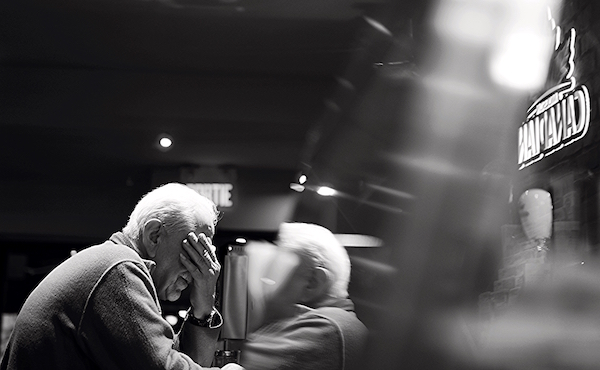
What Are We Mad about This Week?

2016-07-Life-of-Pix-free-stock-man-aged-bar-MAXMARTIN

I have been taking the weekends off from Facebook, and something strange has been happening on Monday morning. Feeling like Rip Van Winkle, I open up Facebook and review the news from the weekend. I catch myself wondering what people are angry about this week.

It’s strange to feel so detached from the passionate debates of the past two days.

Of course there are many things that we can legitimately become angry about. The world is rife with injustice. I’m not doubting these things or suggesting that we embrace complacency.

Rather, I’ve been noticing that the daily use of Facebook can lead my mind into a kind of ongoing angst and anger, if not a sense of anxiety. In light of the injustices and problems in our world, I’m concerned that despite the benefits of awareness that comes through Facebook, it’s also creating a mindset of anger and anxiety that leaves me unable to thoughtfully engage the problems of our world in a constructive manner, let alone the people who disagree with my perspective.

I will never doubt that Facebook has been a great tool for sharing worthwhile causes and events. Heck, even the much-derided ALS Ice Bucket Challenge led to major research innovations and potential breakthroughs. I follow causes such as the Preemptive Love Coalition primarily through their Facebook page. Social media can do more than raise awareness for a cause—it can help us take organized action.

However, social media isn’t as great for fostering empathy, hosting complex, nuanced conversations, or creating a mindset that can take measured steps toward solutions. It’s so very easy to assume the worst about others, to lament what “those idiots” think, and to demonize people who post smug memes mocking what I hold dear. More to the point, I’m sure I’ve done all of these things to others plenty of times as well.

I am committed to being constructive, redemptive, and action-oriented within my resources. I don’t want to go through my life critiquing and criticizing others without ever getting involved in a cause. In fact, for many years I’d been involved in prison ministry, and I immediately noticed that I wrote with far more snark and divisiveness online compared to the way I reached out to the men in prison. I wanted my in-person words to guide my online words.

This brings me back to the weekend breaks I’ve been taking from Facebook (and all other social media channels). I don’t know how long I’ll keep this up, but I feel the acute need to know what I am like without any social media interactions. I need to feel the gnawing desire to check in and to ask what’s driving that and whether that’s a good thing or a bad thing. The more I’m driven to check in, the more I need to examine that drive and where it’s coming from.

I need solitude each day, and a big part of creating that space means learning to cut myself off from distractions and time wasting activities that eat up precious blocks of five, ten, or fifteen minutes.

I need solitude in order to hear the still, small voice of God.

I need solitude in order to recognize when my mind is spinning off track into anger, fear, and frustration.

Rage can become a lifestyle, a habit that we cultivate by constantly feeding it tidbits of injustice and fear from our circles and from the news cycle. In fact, news outlets and social media sites have every incentive in the world to push outrageous events into our faces. That isn’t to say there aren’t journalists doing good and essential work. Rather, the people running these companies need to attract viewers in order to maximize profits, and rage works.

The worst part about today’s outrage culture is that we need solitude in order to actually address it, but we’ll no doubt hear guilt trips that we’re putting our heads in the sand or acting irresponsibly if we disconnect for an extended period of time. The pursuit of an actual solution appears to be just another part of the problem.

Activists and saints surely figured out ways to address injustice before social media, and I trust that a bit more mindfulness and consideration about the way forward will help us take better steps forward together.

I care deeply about the injustice that America has inflicted on the Middle East (see the Preemptive Love Coalition for more ways you can help the most desperate refugees today). I think often about our criminal justice system, and I still associate names and faces with sentencing laws and parole policies. I very much want to stay engaged. I want to feel the anger of the injustices people continue to suffer. I can use Facebook to raise awareness about these issues, but I need something more than rage.

I need the focus and direction that comes from silence and contemplative prayer.

I need a still small voice to speak in the midst of the storm, or I’ll most likely become just another voice in the storm.

The Problem with Prayer Isn’t Convincing God to Show Up


church-pew

“What is your greatest struggle with prayer?” That’s the question I’ve asked hundreds upon hundreds of people, and a striking majority have replied with the exact same struggle.

DISTRACTION

We all love the idea of prayer. Many of us have had positive experiences with prayer. We generally want to pray more. Once we sit down to pray, our minds spin out of control with thoughts of anything but prayer.

Our minds wander, worries assault our peace, and any hope of focus dissipates. Perhaps we turn to making requests or sharing thankfulness to God, which are good things, but any kind of peaceful contemplation, waiting on God in silence, or listening for God to speak appears to be a hopeless endeavor with so many ideas, voices, and fears screaming into our minds.

I’ve often spoke of prayer in terms of God showing up, as if I’m doing my job 100% perfect and any problems with prayer are on God’s end. In my experience, that’s a pretty fast way to turn into an atheist. If you do your part and you don’t sense God’s presence while praying, then clearly the problem is coming from God, right?

Not quite.

The Christian contemplative prayer tradition offers a corrective we need: God is always present. God loves us. The awareness and presence required is our own for prayer. Note that Jesus often speaks in the Gospels of people “coming” to him. He has issued the invitation to us. The problem isn’t on God’s end. Remember, in the Prodigal son story, the father is waiting for the son’s return and was so eager to welcome his lost son that he ran out to meet him.

God is here for us when we pray, and so we need to figure out where distractions and other obstacles in prayer come from and how we can move beyond them. How can distracted people make themselves present for a loving God?

Here are a few thoughts on moving beyond distraction in order to pray based on my experiences:

We Don’t Know We’re Distracted

Until I confronted my distractions, I didn’t know that I was distracted in the first place. Until we stop to face what’s running through our minds, the constant thinking and worrying of each day continues unchecked. Too many Christians have resisted mindfulness practices because they fear connections with eastern religions, but mindfulness practices can be traced right back to the desert fathers and mothers of the church. Even secular psychology praises the benefits of simply becoming aware of what’s on your mind and becoming present in the moment.

It’s nearly impossible to sit down to pray with any kind of focus if you haven’t first taken stock of what’s on your mind. This is why the Ignatian Examen is so incredibly helpful. We can take stock of the highs and lows of our days, confront our worries, and enter into prayer by preemptively facing the very thoughts that could distract us.

This is a process. Richard Rohr suggests that the first year of practicing contemplative prayer largely deals with the junk in our minds. We spend so much time reliving our regrets and fearing the future that we are untrained in the practice of seeking God in the present.


We Don’t Know Where to Begin with Prayer

Even if we can face our distractions and bring our troubled thoughts to God, there’s still the matter of where to begin. Should we make requests, offer thanksgiving and praise, or sit in silence? These are all practices that we can use, but for those of us struggling with anxiety about God actually showing up in prayer, the best way forward for a season may be the path of silence.

We should certainly speak our minds to God, but if we don’t have the assurance of God’s loving presence right from the start, silence may save us from trying to coerce God to show up. God is already present when we pray, but it’s so easy to start saying things that suggest otherwise.

Centering prayer teaches us to calm our anxious minds by asking the Spirit to guide us to a “prayer word” or phrase that we can use to quiet ourselves before God so that we can wait patiently on the Lord. Beginning with this simple word can help us grab onto something as a starting point so that we can return to God in silence again and again as our minds wander.


We Have Expectations

When I have spoken of God showing up, I’ve also had fairly specific expectations of feeling or knowing God in some particular way. I know that plenty of people have had experiences of God, while others with an indisputable commitment to God more or less sit in silence for most of their prayer time. Our expectations for prayer can trap us and alienate us from God.

Ironically, the contemplative writers of the church assure us that we need to set our expectations far lower for prayer. Seeking God in the first place is prayer. Sitting in silence before God is prayer. God honors even our intentions as we struggle to focus. These are the teachings of the masters of contemplative prayer. Rather than pushing us to reach some particularly high goal, they tell us that our beginning struggles are holy offerings to God, and we can trust that God will continue to guide us forward.

Most importantly, we pray in order to become present for God. We “experience” God on God’s own terms, and so any expectations for prayer can be harmful. I have longed for mystical encounters and experiences, but the contemplatives of the church remind us that this can be dangerous. Seeking an encounter with God is not the same thing as seeking God. This desire highlights my insecurity and perhaps even my pride.


We Make Comparisons

While we must learn from the guidance of spiritual directors, authors, and practitioners who have gone before us, we also have to seek God for ourselves and take what is given to us without envying the experiences of others. This has been my pitfall for years. I have looked at the ways other people experienced God and longed to imitate them.

We are always looking for ways to validate ourselves, and while prayer can become the answer to that search, we dare not misuse it. Prayer helps us see how deeply God loves and accepts us, but we can only receive that gift in the timing and manner that God chooses. I have seen over and over again that God chooses different timing and a different manner for each person, even if there are some general trends and patterns that can be observed.


We Don’t Know What Prayer Should Look Like

Here is the good news that you need to know about prayer: Struggling with distraction during prayer is 100% normal, and there is hope. The contemplative prayer tradition dates back to the earliest days of the church, even pre-dating the canon of scripture, and it has been preserved throughout the centuries as one way to move beyond distraction and to become present for God.

The bad news is that overcoming distraction will take quite a bit of work. We even have to face the worries and fears that come up as we attempt prayer.

The author of the Cloud of Unknowing passed along this ancient Christian prayer tradition in his simple manual for novice monks, and he spends a significant amount of time addressing the ways that our thoughts invade our prayer much like visitors who barge into our homes repeatedly. By reciting a prayer word, phrase (such as a scripture verse) or returning to an intention for your prayer time, you can gently move these distractions out of your mind over and over and over again.

For about the first six months of really exploring silence and contemplation, my mind was a complete mess. My thoughts flew all over the place. The only thing that kept me going was the fact that I had to take my son for a walk every day in order for him to nap, and I suspected that my busy mind was extremely unhealthy. Over time, I experienced greater peace and freedom, recognizing uneasiness and distractions for what they were and gradually building a capacity to be still before God.

I like to say that I “practice” contemplative prayer because I still feel very much like a beginner and I don’t expect to get it perfect—not that getting it “perfect” should ever be the goal! We enter into contemplative prayer as equals who are all equally loved by God and who all commit to practice.

So we pray, we struggle, and we continue to practice.


Read More about Contemplative Prayer…

Based on my own experiences with contemplative prayer, I’ve written an introduction to this practice. I tend to tell people that this is the book you give someone before passing along a book by Richard Rohr or Thomas Merton. The book is titled:

Flee, Be Silent, Pray:
Ancient Prayers for Anxious Christians

On sale for $8.49 (Kindle)

Amazon | Herald Press | CBD

Artboard 1FBP Blog Footer post release